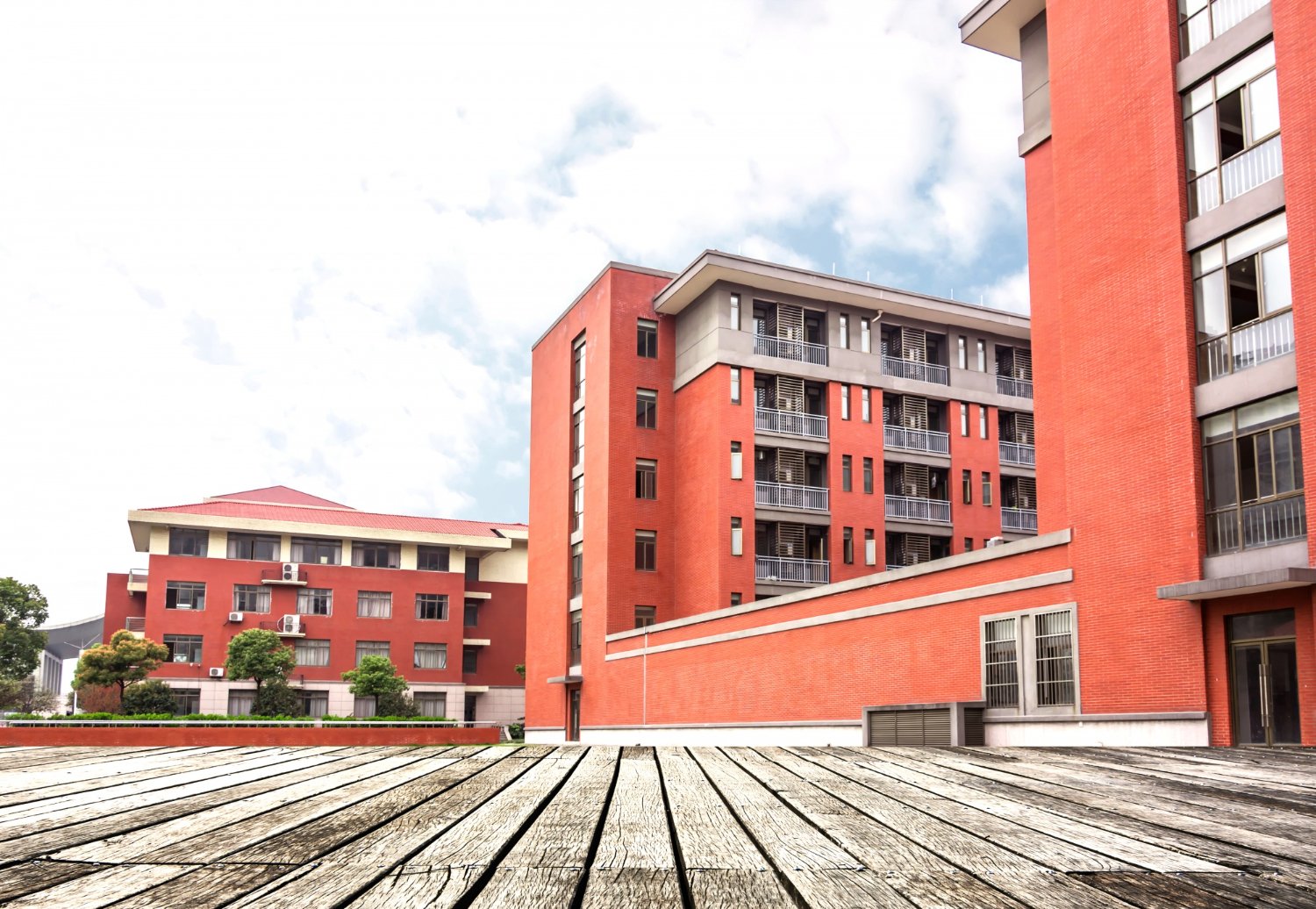
If you have lived in or around Akure, Ondo State, Nigeria, for the last decade, you are likely to have noticed an exciting phenomenon: a new wave of primary schools that is transforming the landscape of basic education. From the proliferation of private academies to grassroots initiatives and renewed government efforts, Akure’s educational landscape is changing — and parents, educators and students are feeling the effects.
Join us, then, as we break down the reasons behind all this expansion, examine how new primary schools are helping shape Akure’s future — and why it matters to families faced with educational decisions in the city right now.
New Primary Schools are Sprouting in Akure?
Growing Demand for Quality Education
Akure has seen developmental growth in population and economic endeavors over the last ten years. With new residential estates and suburbs have come the need for properly-configured institutions of primary education. Parents are looking for modern learning environments that extend beyond the classroom: creative, critical thinking and early childhood development.
This increasing demand has given way to new-age institutions focusing on essential approaches in learning for kids ages 4 years-12 years which are oriented toward holistic skill development while ensuring a nurturing experience.
Private Initiative and Community-Led Growth
A significant part of the increase in new primary schools comes from private founding by educators and members of communities who seek to fill gaps left by older establishments. Many of these founders began with a dream: to provide an education founded on academic excellence and moral character.
In Akure, this has catalyzed generation of primary schools that cater to specific needs — foreign-style curricula or emphasis on creative arts, for example, or foundational literacy and numeracy programs.
Government Backing and Wider Educational Policies
The Ondo State government has invested heavily in schools within local governments, including Akure. Renovating schools, adding classrooms and providing better learning facilities have all made the atmosphere in both new and existing schools more conducive to learning.
At the same time, policies that encouraged private-sector involvement have helped catalyze the creation of new schools, particularly if parents are willing to invest in their children’s education.
What Makes These New Primary Schools So Different?
Innovative Curriculum and Teaching Methods
The newcomers tend to be trendsetters, unlike many traditional primary schools. They introduce:
- Child-centered learning approaches
- Target sessions for Early literacy and numeracy
- Play-based learning for younger grades
- Or integrated assessment and creative problem-solving activities
These factors greatly assist students in their transition to society by helping them with payment procedures and teaching ideal learning practices, as well as allowing for better engagement between students so they can prepare for the new state of education which is geared towards a more practical and tech-based schooling system.
Parent and Community Engagement
In contrast to older institutions, where parents were mostly passive observers, the majority of new schools have weekly parent-teacher interactions, regularly organized workshops and invite them to take part in school governance. In doing so, it creates stronger community connections and can foster trust between families and educators.
Balanced Focus on Character Development
Academic knowledge isn’t enough in today’s educational climate. The newer primary schools in Akure increasingly focus on:
- Emotional and social intelligence
- Teamwork and cooperation
- Respect and discipline
- Moral values
These softer skills are becoming integral to the curriculum, and help prepare young learners not just academically, but socially.
Effects of New Primary Schools on Akure Households
Expanded Choices for Parents
Until a decade ago, Akure parents had few options to choose from as there were only a handful of established primary schools and most of them either lacked modern teaching aids or were overcrowded. This week, families have a wider range of schools to consider — from affordable community schools to elite institutions emphasizing holistic education.
Improved Access to Basic Education
New schools are helping to fill gaps in access as Akure has seen an increasing population and migration from surrounding areas. That translates to shorter commutes for students, less jammed-packed classrooms and more individual attention per child.
Community Confidence and Growth
More parents and guardians say they are confident in local education, and many report improvements in student behavior, performance and school involvement. These schools are more than places of learning — they’re centers of community where parents feel empowered and engaged.
Challenges Facing New Primary Schools
One cannot however be naïve enough to think that establishing a new school in Akure with all its drawbacks is plain sailing.
Teacher Recruitment and Training
New schools frequently have trouble attracting veteran teachers able to use contemporary teaching practices well. While interest is strong, it sometimes must be bridged with ongoing learning and professional development.
Infrastructure and Funding
Establishing a school entails significant investment — copious classrooms and libraries, playgrounds and technology setups. Many new schools face the tightrope of accessing sustainable funding and keeping fees affordable for parents.
Curriculum Alignment and Standards
Like other new schools, they need to meet state and national educational standards but also define themselves and their purpose. It can be challenging to strike a balance between traditional academic expectations with newer learning methods.
Tales from the Heart of Akure’s Education Transformation
Perhaps the most inspiring aspect of Akure’s educational evolution is how communities have welcomed the establishment of new schools. Those same families that once had to drive considerable distances to enroll their children in quality primary schools have newer, closer alternatives offering similar and even better learning experiences for their children.
In sharing anecdotal stories about their children’s development, parents often boast of how kids came to quickly read or count, how they saw confidence develop through classroom activity participation, and friends’ bonds that cemented positive social behavior. Teachers sound as if they have found a new, relevant mission in raising young minds and preparing their community for tomorrow.
Education, in so many ways, has become a co-mission — not just a service. This culture change can be credited as one of the strongest results of Akure’s primary school expansion plan in the past decade.
THE FUTURE OF PRIMARY EDUCATION IN AKURE?
Primary education is as important as Akure records a steady path of growth, impacting the lives of many generations to come. The next 10 years are likely to produce:
- More schools incorporating technology-assisted learning
- More focus on 21st century skills
- More collaborative relationships between schools, families and community organizations
- Better teacher training and recruitment mechanisms
Akure demonstrates that when communities invest in education — financially but also culturally — the impacts ripple well beyond literacy and numeracy. They help produce a smarter, stronger, more confident generation to face challenges not yet imagined.
Final Thoughts
Creating new primary schools in Akure over the past decade is more than a factor of education — it’s an aspect of culture based on expectations from parents, engagement by different sectors of society, support by government and a common belief for a better tomorrow for children in the city.
Whether you’re a parent considering what school to send your child to, an educator looking for inspiration or a community member who wants to learn more about Akure’s evolution in Ondo State, this story points out something significant: education is changing — and Akure is leading that change.